

Need Help?
+254 727 737721
Coffee Processing & Value Addition
At Ngoino Farmers Cooperative Society Ltd, coffee processing and value addition are at the heart of our commitment to producing premium-quality coffee for both local and international markets. Through careful handling, modern processing methods, and strict quality control, we ensure that every batch of coffee delivered by our farmers meets high industry standards.
Our cooperative processes over 400,000 kilograms of cherry coffee annually, supplied directly by our members across Bureti Sub-County in Kericho County.
Cherry Reception & Quality Inspection
Coffee Pulping
Once received, the coffee cherries are processed through our pulping machines, where the outer skin and pulp are removed from the coffee beans.
This process:
Separates the coffee beans from the fruit pulp
Prepares the beans for fermentation
Ensures efficient and hygienic handling
Our pulping operations follow strict procedures to preserve the natural characteristics and flavor profile of the coffee.
Fermentation
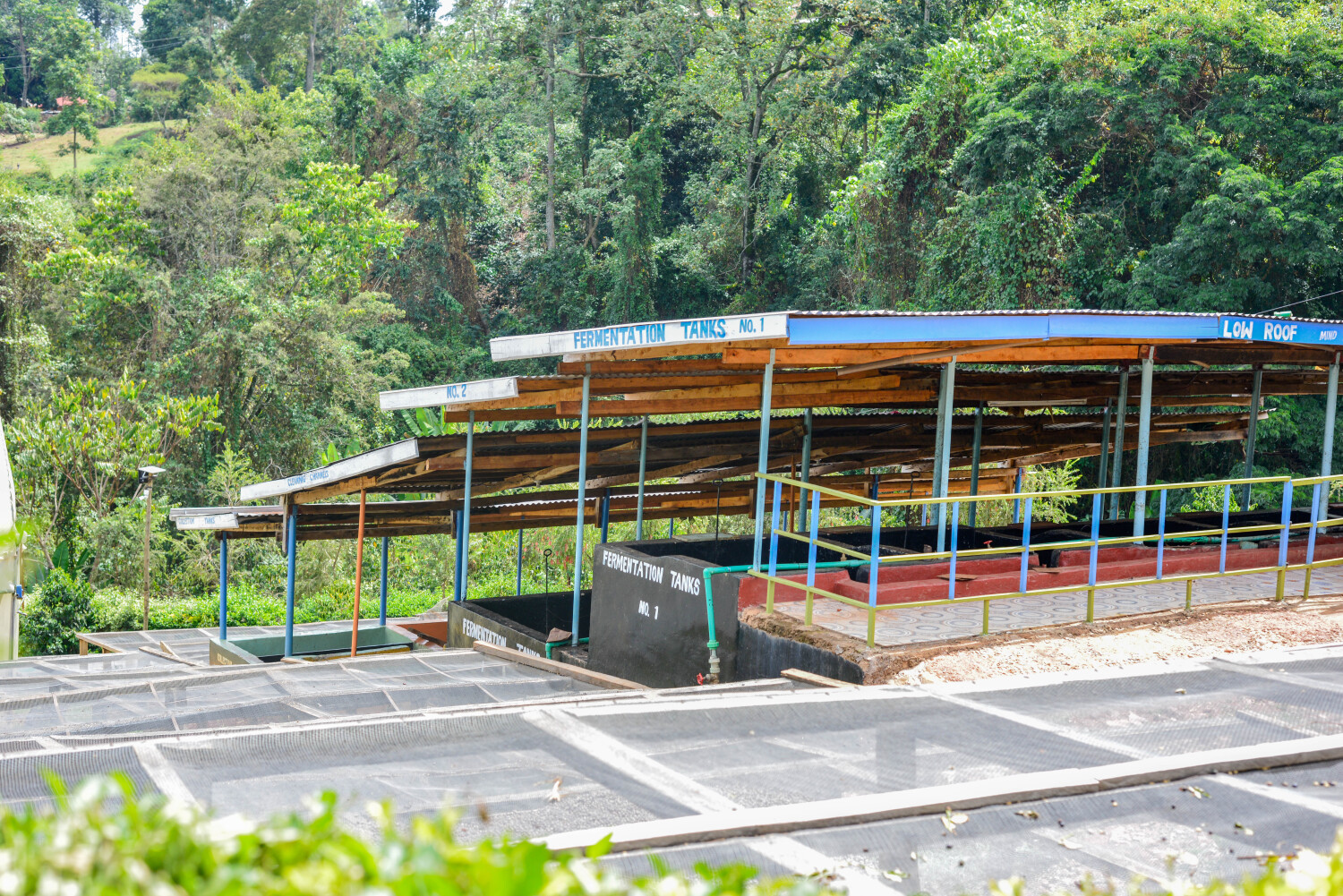
After pulping, the coffee beans undergo a controlled fermentation process.
During fermentation:
Natural enzymes break down the remaining mucilage
The beans develop their unique flavor characteristics
Careful monitoring ensures consistent results
Proper fermentation is critical for producing high-quality coffee.
Washing
Following fermentation, the beans are thoroughly washed with clean water to remove remaining residues.
This stage ensures:
Clean beans ready for drying
Removal of impurities
Improved coffee quality and appearance
Drying
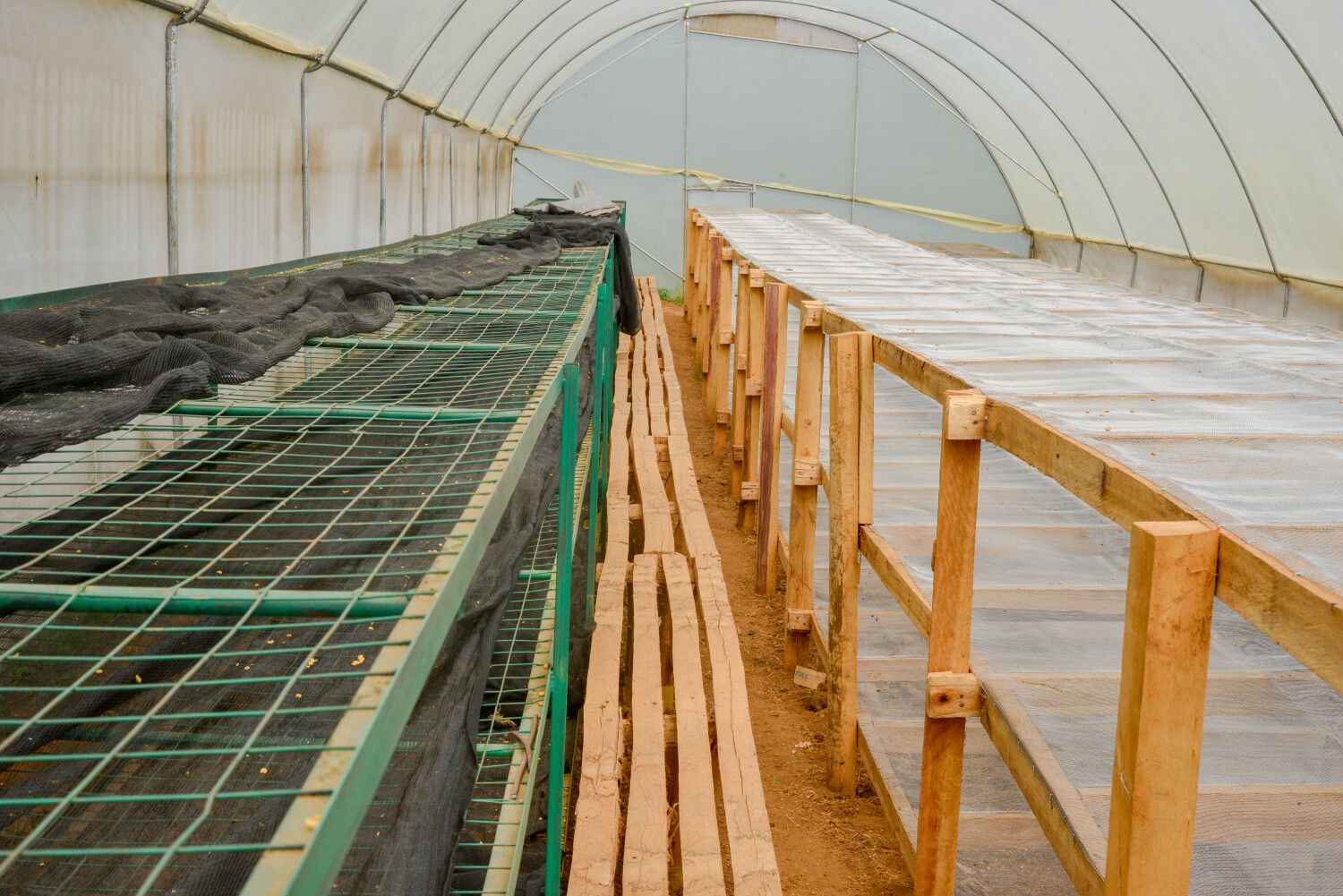
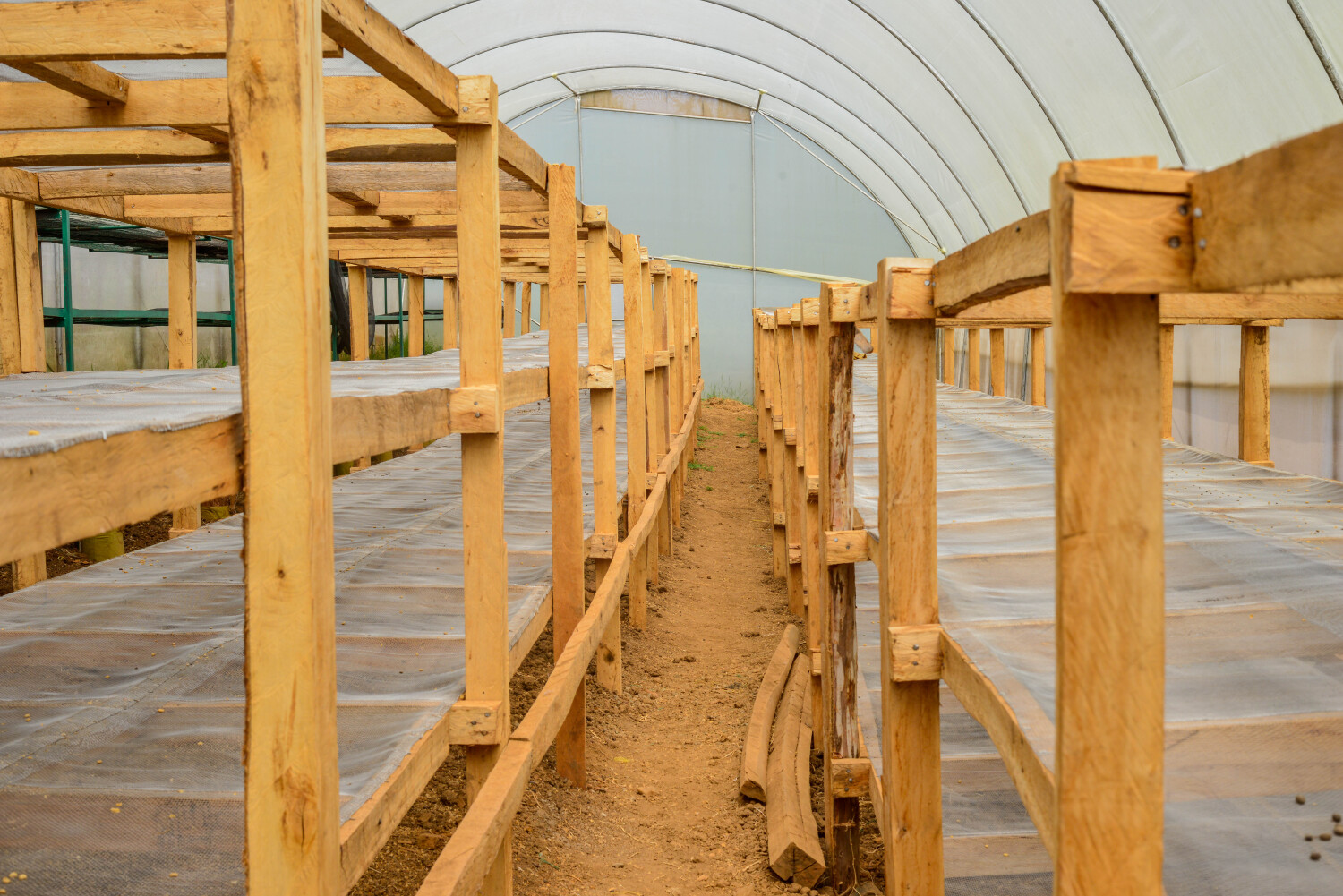
The washed beans are spread on drying tables where they are carefully dried under controlled conditions.
Drying is done gradually to:
Reduce moisture to safe storage levels
Preserve flavor and quality
Prevent mold or damage
Once dried, the beans become parchment coffee, ready for milling.
Milling and Grading
The dried parchment coffee is delivered to registered coffee mills for further processing.
At the milling stage:
The parchment layer is removed
Beans are sorted and graded according to quality
Final packaging is prepared for sale and export